
Module I
Background and first steps
About this module
Welcome! In this module, you will get acquainted with the history of artificial intelligence. The first section covers the research background and initial steps. In the second section, you can generate an image through artificial intelligence in an exciting task.
Learning outcomes
Those who acquire the knowledge about the initial era of AI research will be able to:
- understand the initial limitations and challenges related to the emergence of artificial intelligence
- have a comprehensive view of the development of AI from the beginning
How you'll learn
During the lesson you must read the written explanations and follow the given instructions at interactive elements. You can assess your understanding by taking the quiz. In the second part of the module, you will need to solve a task that requires creativity.
The antecedents and first steps of artificial intelligence research
35:00 minThe roots of artificial intelligence research reach back to the mid-20th century. During this period, Alan Turing developed the 'Turing test.' The term 'AI' was introduced by John McCarthy in 1956 at the Dartmouth Conference, where the foundational aspects of the research field were discussed.
You can read more about Alan Turing by opening the following link:
Clicking on the headings below the images will open pop-up windows containing the information.
Interactive activity
The initial era of artificial intelligence can be traced back to the 1950s when the foundations were laid, and the initial steps were taken to create intelligent machines.
Alan Turing, the renowned mathematician and computer scientist, studied the concept of "intelligence"
in the famous Turing test. This marked the first instance of examining the relationship between a machine and human intelligence. John McCarthy's Dartmouth Conference in 1956 facilitated the definition of AI and the establishment of the initial framework for the research field. The term "AI"
(Artificial Intelligence) was first used at this conference.
During this era, AI research was more theoretical, as the available resources and technological capabilities were limited. The size and performance of computers were much lower than today, restricting the realization of ambitious goals. Instead of developing algorithms and models, the emphasis was on advancing theoretical foundations and modeling thought processes.
The early experimental programs (e.g. the Logic Theorist and the General Problem Solver) aimed to develop algorithms for solving specific problems. However, at that time, the gap between the development of algorithms and the actual realization of AI was still significant.
The first era paved the way for later developments. Researchers began to comprehend the fundamental processes of human thinking and sought to model these processes with machine algorithms. Although concrete results were still awaited, the community of AI researchers started to take shape.
Upon reaching the end of the study material, click on the link below. You will find a test that allows you to check your acquired knowledge.
Interactive activity
Creative task
3:00 minWith the help of artificial intelligence, we can even create images. Let's see how! Your creativity will be needed in the following task.
Open the above website!
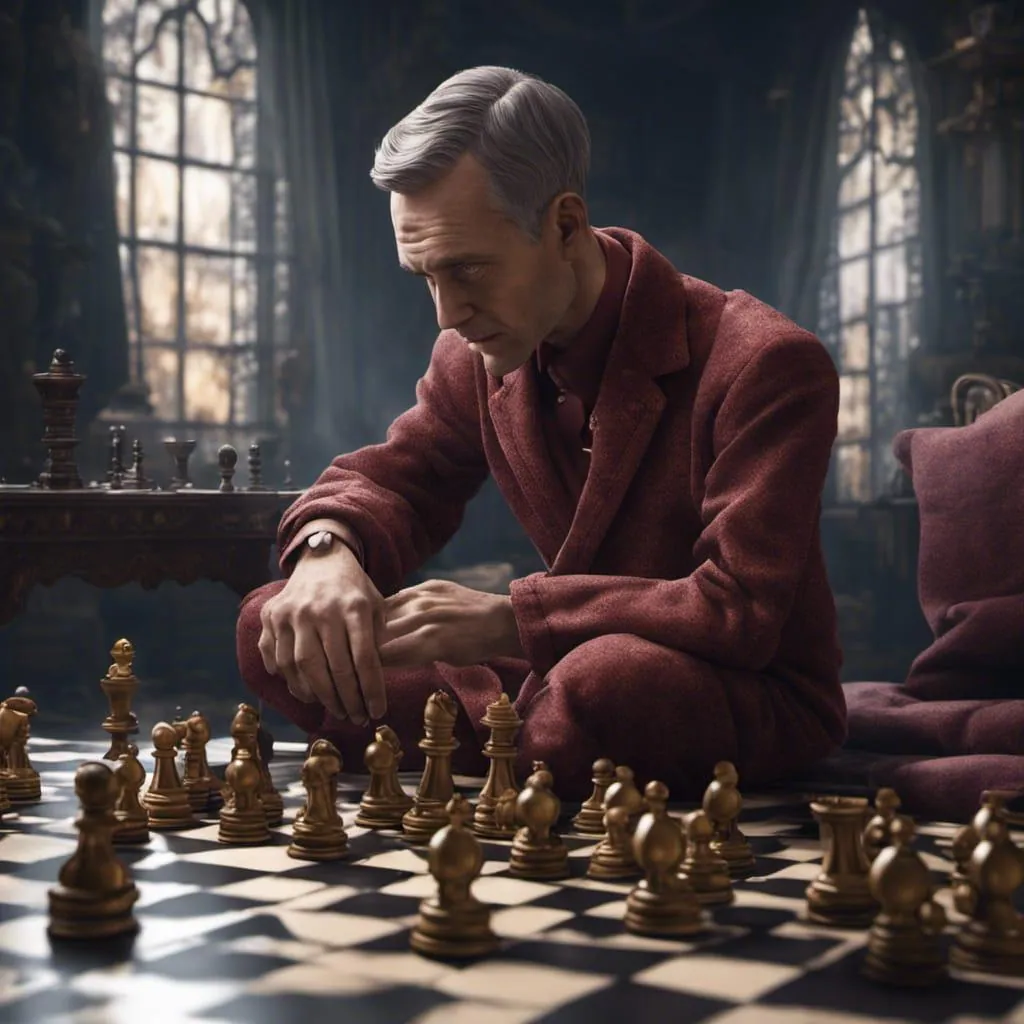
Provide a description that will result in the following image of Turing!
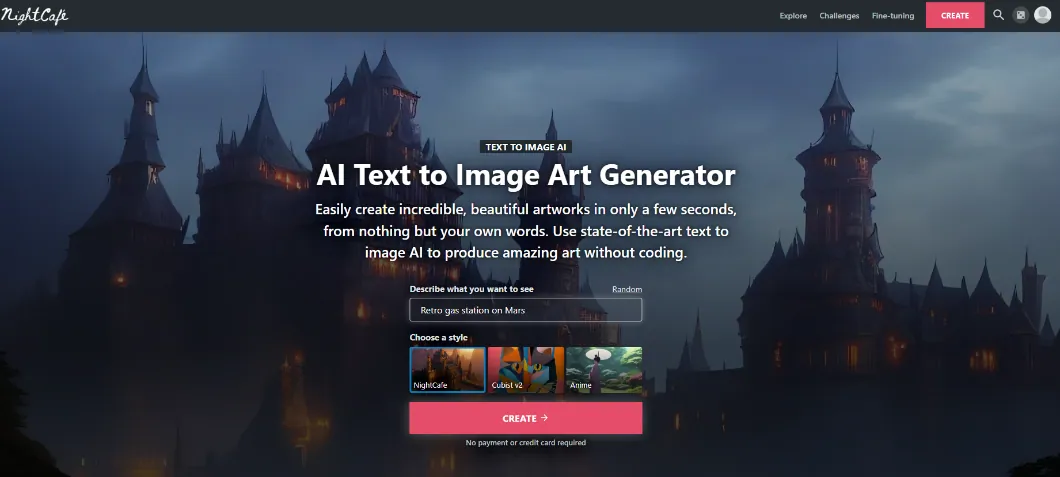
Click the "Create" button and see if you have succeeded!
Main take-aways:
Many changes and advancements have occurred in the field of artificial intelligence despite the initial difficulties.
Brief introduction of the next block:
In the next block you will acquire new knowledge about symbolic AI and Early AI Theories (1960s-1970s).
Resources
End of module
Module complete
Continue when you're ready.